Exploring Different Ways To Present Random Rewards
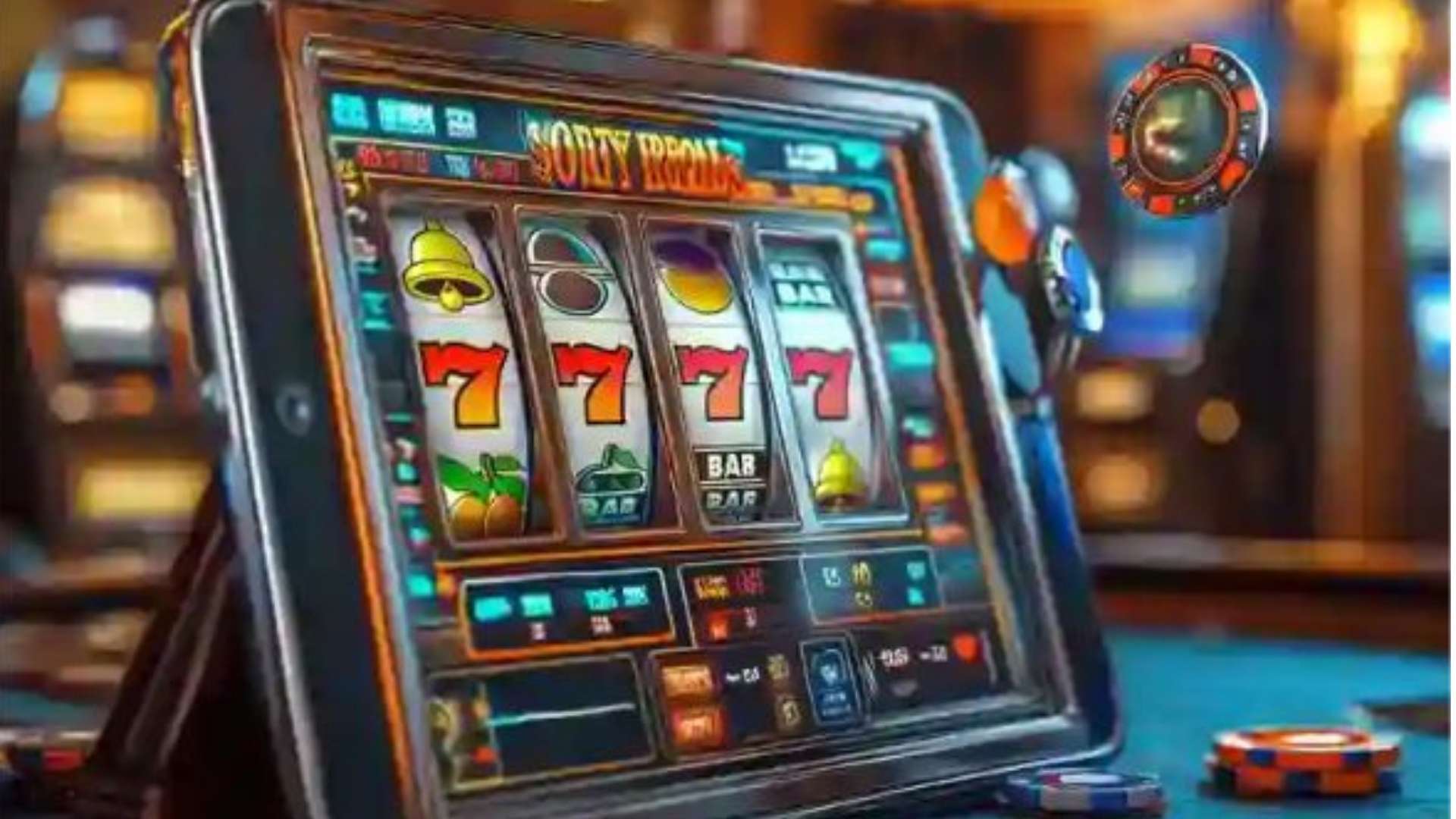
The implementation of variable incentive structures has become a cornerstone of modern digital engagement strategy. Rather than offering predictable milestones, platforms across various sectors utilize uncertainty to capture user interest and enhance long-term retention. Understanding the diverse formats available for delivering these unexpected surprises is essential for creating compelling interactive journeys.
The Multi Tiered Mystery Box Concept
One of the most effective methods for generating excitement is through the use of virtual containers that conceal specific prizes. These structures display a clear variety of potential outcomes prior to initialization, allowing users to evaluate their mathematical possibilities immediately. This approach transforms a basic commercial milestone into an active journey of discovery that keeps audiences highly invested.
Furthermore, developers often introduce specialized keys or progression points that must be accumulated to unlock higher-value containers. This structural layering provides a sense of steady momentum even if the immediate outcomes remain entirely random. Participants remain motivated by the dual presence of calculated progression and spontaneous discovery throughout their session.
Interactive Wheels and Rotational Mechanics
Spinning interfaces remain exceptionally popular due to their intuitive layout and visual transparency. Observers follow the kinetic movement of a segmented indicator as it gradually loses velocity across diverse reward areas. This specific format capitalizes heavily on the psychological thrill of the final few frames of deceleration.
To keep this classic concept fresh, contemporary platforms frequently integrate real-time multipliers right before the wheel stops completely. For instance, platforms that require a reliable boss29 login leverage these dynamic visual systems to deliver unexpected premium bonuses seamlessly. This level of modern creative design ensures that basic interactive loops stay highly satisfying over extended periods.
Scratch Cards and Hidden Surface Layouts
An alternative delivery style involves interactive surfaces where users must actively remove an opaque layer to reveal hidden items. This tactile presentation mimicry creates a personalized connection between the participant and the final result. The micro-moment of physical or digital effort enhances the perceived worth of the distributed incentive.
Additionally, this design allows for multi-match mechanics where users seek a specific combination of symbols to unlock grand jackpots. Breaking the presentation down into individual reveal points prolongs the narrative arc of each attempt. This structural choice successfully avoids the rapid fatigue often associated with instantaneous results.
Algorithmic Drops and Contextual Surprises
Some of the most sophisticated presentation methods eliminate explicit interactive triggers altogether, delivering rewards based on contextual behavior. Participants receive unexpected modifiers or items directly during standard navigation or task completion. This seamless distribution format fosters a continuous state of pleasant anticipation across the entire user journey.
By analyzing engagement patterns, automated systems can calibrate the timing of these sudden drops to maximize user morale. This balanced distribution framework ensures that the interactive environment remains constantly dynamic and unpredictable. Ultimately, exploring these distinct presentation styles allows creators to build sustainable curiosity that respects the audience.