How Random Selection Creates Suspense in Interactive Games
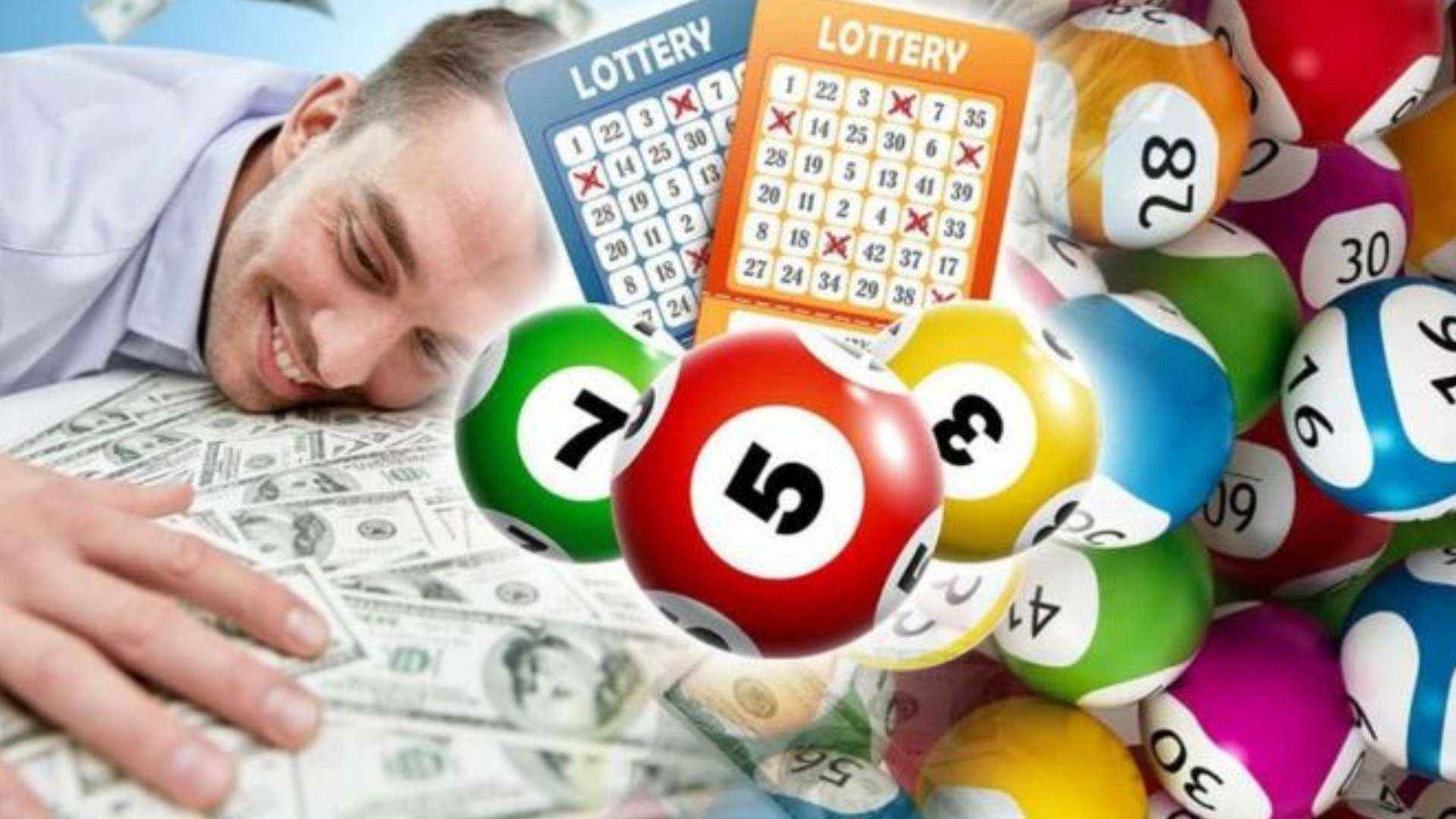
Interactive games have found a powerful tool in random selection mechanisms to keep players thoroughly engaged and invested in their choices. The psychology of uncertainty plays a massive role in why a sudden pause or a hidden option can make the heart race. By introducing unexpected outcomes, developers can transform a straightforward gameplay routine into an emotionally charged journey filled with anticipation.
The Psychology of Unpredictable Outcomes
Human brains are naturally wired to respond to mystery and sudden shifts in environment, creating a natural thrill when a result cannot be easily guessed. When a player does not know what is coming next, their internal attention spikes, making the final revelation feel much more impactful. This constant loop of curiosity ensures that the gaming environment remains vibrant and far from repetitive.
Furthermore, psychological studies indicate that uncertain positive outcomes cause a distinct surge in physiological arousal compared to static, predictable rewards. This mechanism shifts the focus from achieving a basic metric to enjoying the sheer thrill of the discovery process itself. As a result, players remain deeply focused on the screen, eager to see how the next micro-interaction will unfold.
How Game Engines Simulate True Randomness
Behind the colorful animations and ticking needles lies a sophisticated algorithmic structure designed to process independent probabilities fairly. Modern digital systems utilize advanced mathematical formulas to ensure that every single event operates without any lingering memory of past choices. This behind-the-scenes engineering creates a trustworthy space where participants can rely entirely on pure chance.
When these digital platforms remain completely transparent about their operational rules, consumer trust naturally increases over time. Engaging options like a certified m88 slot use verified random number generators to guarantee that every independent round stays unbiased and completely fresh. Understanding this level of integrity allows participants to step away from flawed pattern-tracking habits and focus fully on the entertainment.
Designing Structural Suspension and Game Cadence
The overall pacing of a random event dictates exactly how a participant navigates their emotional states throughout a play session. By stretching out the visual countdown or adding brief delays before a reward appears, developers deliberately build a layer of tension. This systematic control of time turns a simple mechanical selection process into a truly memorable event.
Additionally, incorporating multi-tiered reward systems ensures that different player profiles find appropriate value in each round. When minor surprises appear frequently alongside rare top-tier incentives, the entire interactive ecosystem remains balanced. This tactical diversification prevents sudden fatigue and gives individuals practical milestones to celebrate during long sessions.
Striking a Balance Between Skill and Chance
While complete unpredictability generates immense suspense, integrating a layer of deliberate player choices creates a more meaningful framework. When participants can decide when to trigger an event or which path to explore, they feel a greater sense of active involvement. This sweet spot where random algorithms meet active user agency represents the pinnacle of modern casual design.
Ultimately, navigating these chance-based challenges with personal boundaries helps maintain a positive and sustainable relationship with digital entertainment. Setting clear personal milestones and recognizing when to take a break ensures the activity remains thoroughly enjoyable. By respecting the balance of the math, every unpredictable turn becomes a fun opportunity to experience suspense safely.