Strategy Games That Reward Flexible Thinking
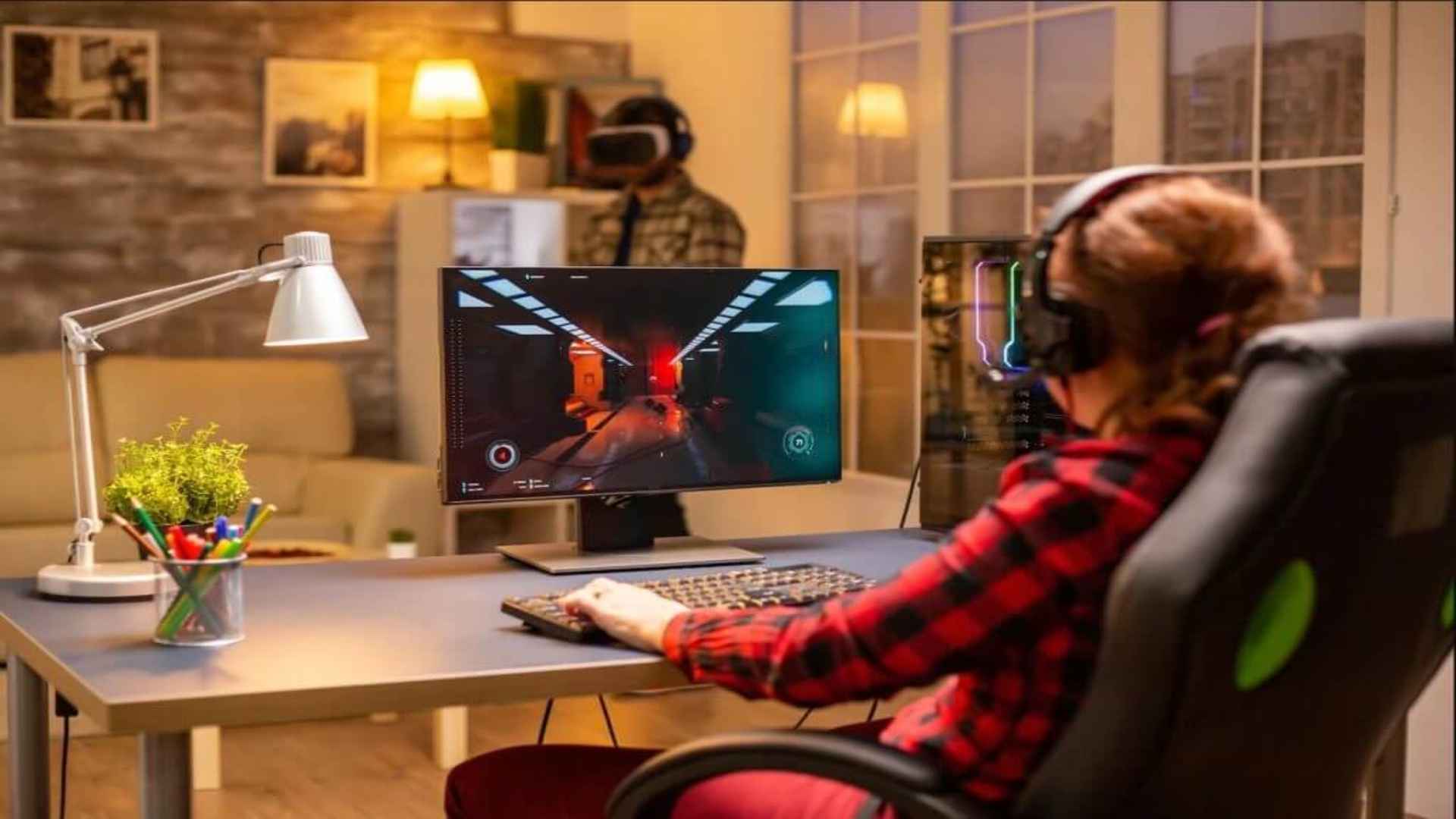
The modern gaming landscape has shifted dramatically from rigid, formulaic puzzles to dynamic digital arenas that heavily test a player's cognitive adaptability. While traditional strategy titles often favored fixed build orders, contemporary designs intentionally disrupt predictable patterns to challenge enthusiasts. Succeeding in these complex environments requires individuals to quickly analyze unexpected changes and alter their tactical approaches on the fly.
The Necessity of Real-Time Adaptation
In highly competitive matches, a pre-planned strategy rarely survives the initial contact with an experienced opponent who employs non-traditional tactics. Players who rely strictly on a singular roadmap often find themselves vulnerable when the virtual battlefield undergoes sudden environmental shifts or structural changes. True mastery comes from the ability to read the opponent's movements and pivot resources efficiently without losing tactical momentum.
Dynamic battlefields require continuous situational awareness and the mental agility to abandon failing plans before they result in catastrophic losses. Cultivating fluid responsiveness under intense pressure allows competitors to turn potential disadvantages into distinct operational strengths. Ultimately, gaming platforms that emphasize shifting win conditions consistently produce highly creative and resilient problem solvers.
Balancing Resource Scarcity and Risk
Managing digital assets effectively serves as the foundational pillar for long-term survival in any modern strategy game. Competitors must constantly decide whether to invest their current capital into immediate territorial defense or long-term technological advancement. Making these calculated choices requires a deep understanding of risk versus reward under highly volatile circumstances.
When unexpected economic disruptions occur, maintaining tactical stability depends entirely on how well a player can optimize alternative resource pipelines. Exploring diverse virtual environments, much like discovering a reliable M88 slot, teaches players how to calculate probabilities and manage risks effectively. Perfecting this economic balance prevents total asset depletion during the most demanding late-game phases of tournament play.
Psychological Flexibility and Decision Making
Maintaining strong emotional control during high-stakes competitive sessions heavily influences the final outcome of a professional match. Cognitive flexibility allows players to remain completely calm when their primary defenses are breached by aggressive enemy maneuvers. Instead of panicking, elite tactical thinkers view these setbacks as immediate opportunities to devise clever counter-offensives.
Developing this psychological resilience requires extensive practice combined with a systematic review of previous competitive performances. By analyzing past mistakes, gamers can identify recurring cognitive biases that distort their real-time decision-making processes. Over time, this disciplined analytical habit builds a sharp intuition capable of navigating almost any complex scenario.
Cognitive Benefits Beyond the Screen
The practical skills developed through complex strategy gaming extend far beyond achieving high scores or winning casual digital trophies. The ability to form flexible long-term plans while simultaneously addressing immediate crises is highly applicable in professional environments. Modern organizations frequently seek individuals who demonstrate this exact type of agile tactical thinking.
By transforming standard leisure time into an active cognitive exercise, strategy games provide valuable brain training for modern professionals. Embracing a growth mindset allows dedicated enthusiasts to continuously refine their logical capabilities and tactical foresight. As interactive designs continue to evolve, the demand for adaptable mental frameworks will remain central to competitive success.