Why Learning To Enjoy Patience Changes Poker Behavior
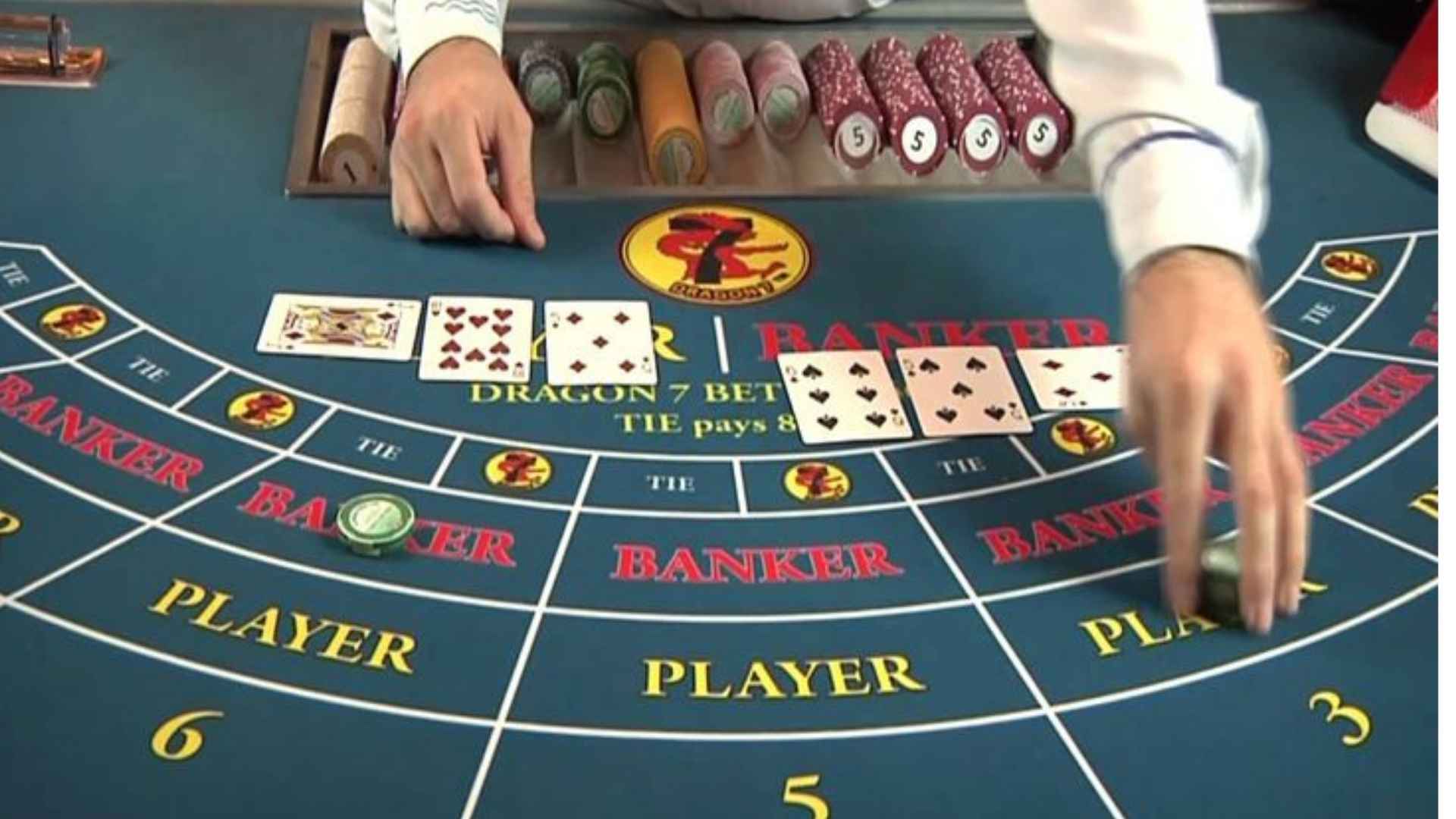
Patience in poker is often viewed as a painful necessity or a boring chore that players must endure between exciting hands. However, shifting your perspective to actively enjoy the act of waiting fundamentally alters how you make decisions at the table. When patience becomes a source of satisfaction rather than frustration, your overall poker behavior undergoes a powerful transformation.
Reframing Wait Time as Strategic Advantage
Most amateur players view folding as a lost opportunity to play, which creates an underlying urge to enter marginal pots. When you learn to appreciate quiet moments, folding transforms into a calculated decision that preserves your valuable stack. This psychological adjustment allows you to remain calm while observing opponent habits without feeling the need to force action.
By finding genuine satisfaction in disciplined folding, you eliminate the mental fatigue that usually accompanies long card-dead stretches. This newfound calm keeps your focus sharp for when high-value opportunities finally arise. Consequently, your overall table presence becomes much more controlled and formidable.
Eliminating the Impulse of Boredom Betting
Boredom is one of the most common causes of unforced errors in competitive card games, leading to weak calls and desperate bluffs. Embracing patience removes the emotional trigger that drives players to play sub-optimal starting hands just to stay involved. Without the urge to chase artificial excitement, your hand selection naturally aligns with solid mathematical principles.
Many players hone their tactical discipline and test their strategic patience across dynamic online platforms such as m88. Developing emotional control in these environments prevents costly missteps caused by impatience. Over time, eliminating boredom-driven plays leads to significantly higher decision quality across long sessions.
Improving Observation and Information Gathering
When you are no longer fixated on participating in every round, your attention naturally shifts toward analyzing your opponents. Enjoying the wait allows you to process subtle timing cues, betting patterns, and emotional reactions from other players. This wealth of gathered information gives you a distinct analytical edge during crucial hands.
Active observation turns downtime into a productive phase of strategic preparation rather than wasted time. You begin to build accurate profiles of table dynamics, identifying which rivals play too loose or fold under pressure. As a result, your subsequent actions are guided by precise data rather than mere guesswork.
Building Resilience Against Tilt and Emotional Volatility
Patience acts as a natural buffer against emotional distress when unexpected bad beats or cold card runs inevitably occur. Players who take pleasure in steady, disciplined play are far less vulnerable to impulsive revenge betting. They recognize short-term variance as a routine element of the game rather than a personal setback.
This heightened emotional resilience enables you to maintain a consistent decision-making process regardless of recent outcomes. By maintaining composure through severe swings, you safeguard your bankroll from destructive tilt cycles. Ultimately, embracing patience reshapes your mindset, turning self-control into your strongest strategic asset.